



Savannah, Georgia was founded in 1733 and is the oldest city in Georgia and was also the first state capital. With only two days in the city, there was far more to see than I had time for. What I did manage to see was:
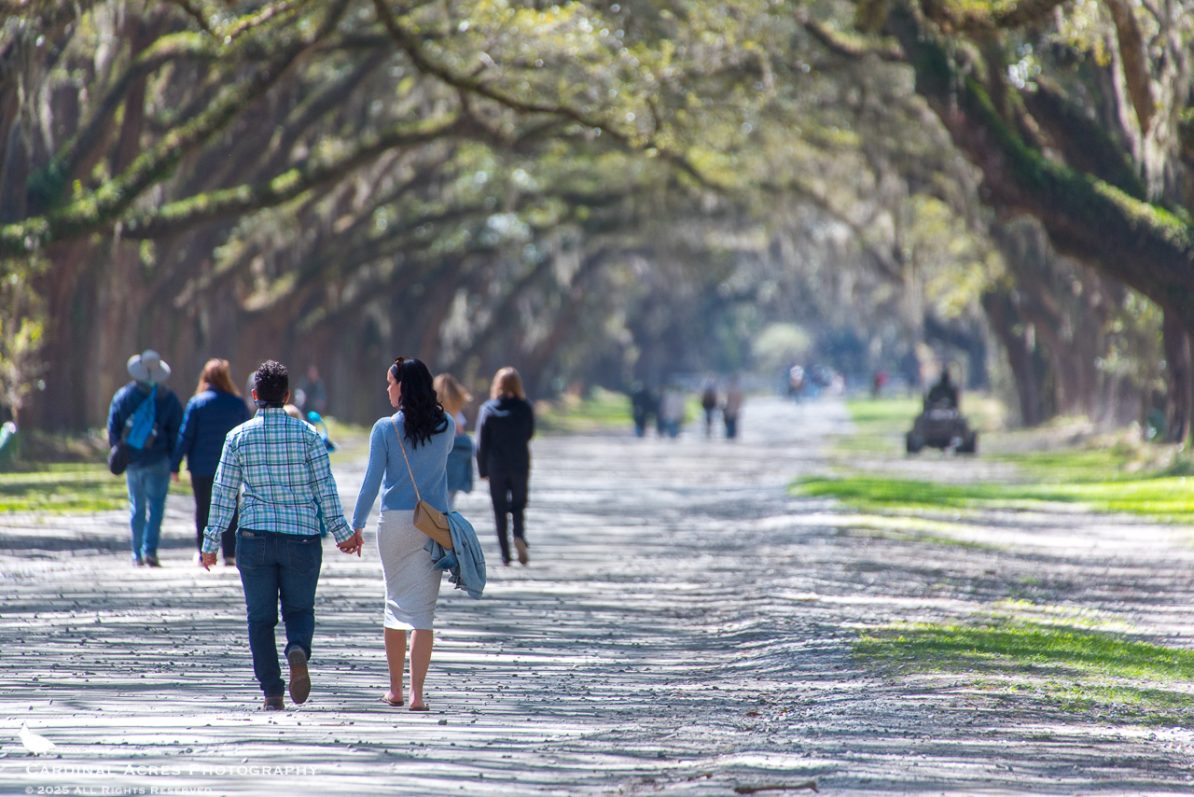
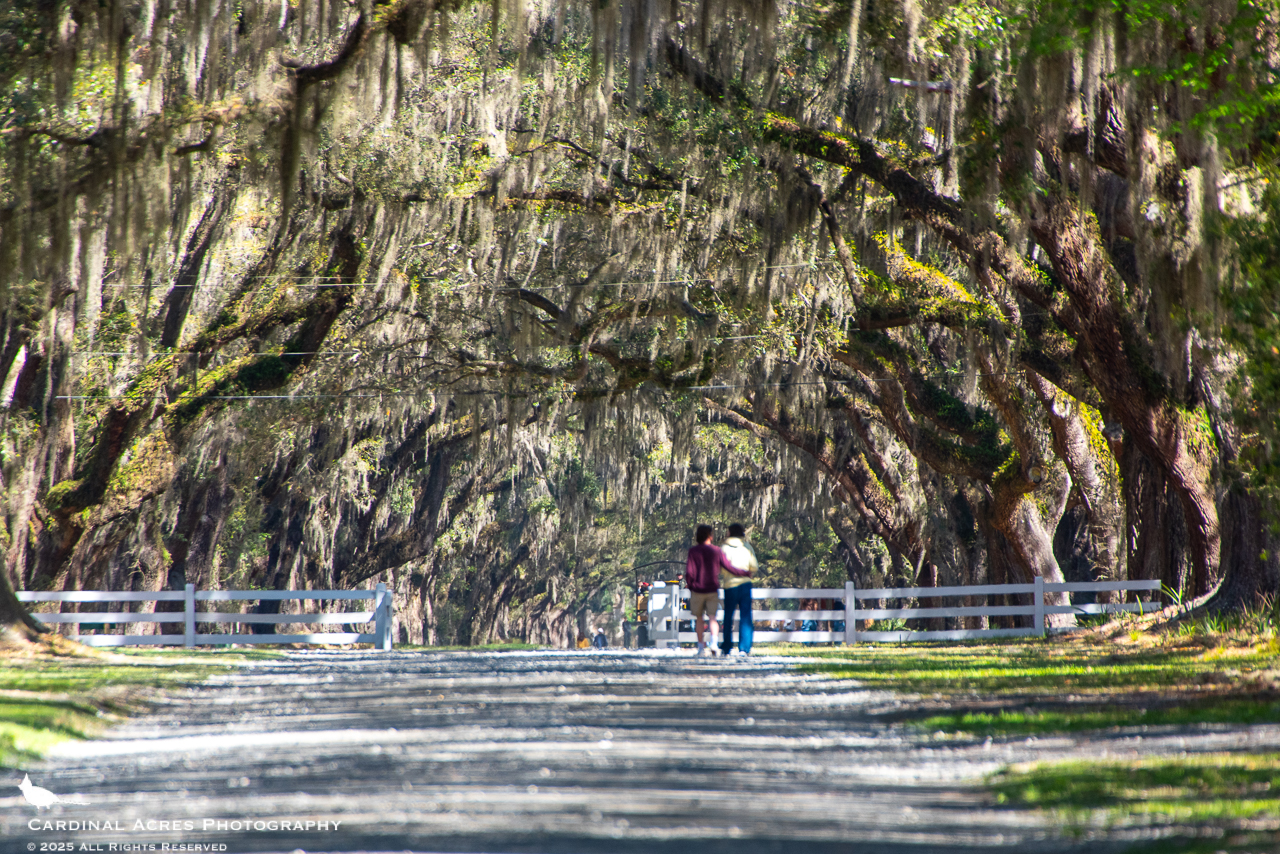
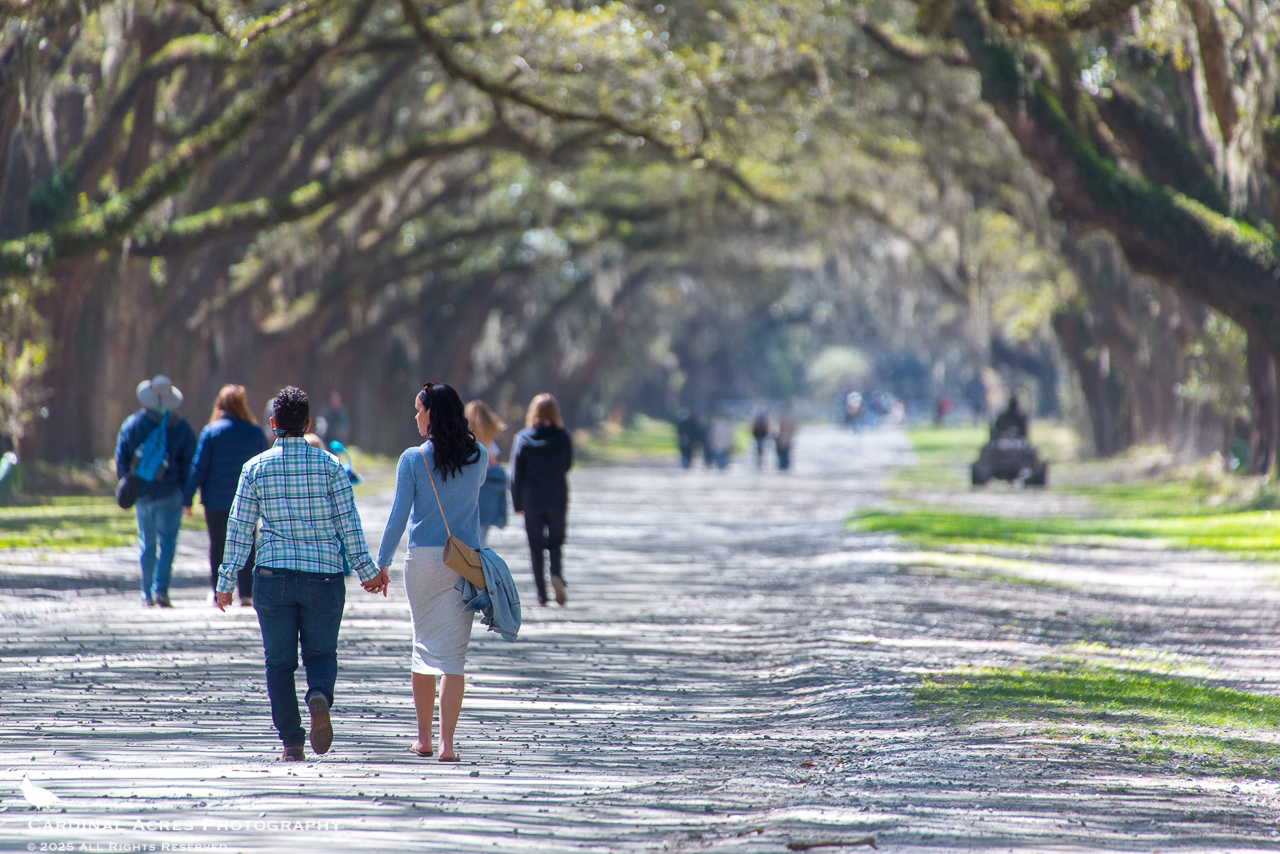
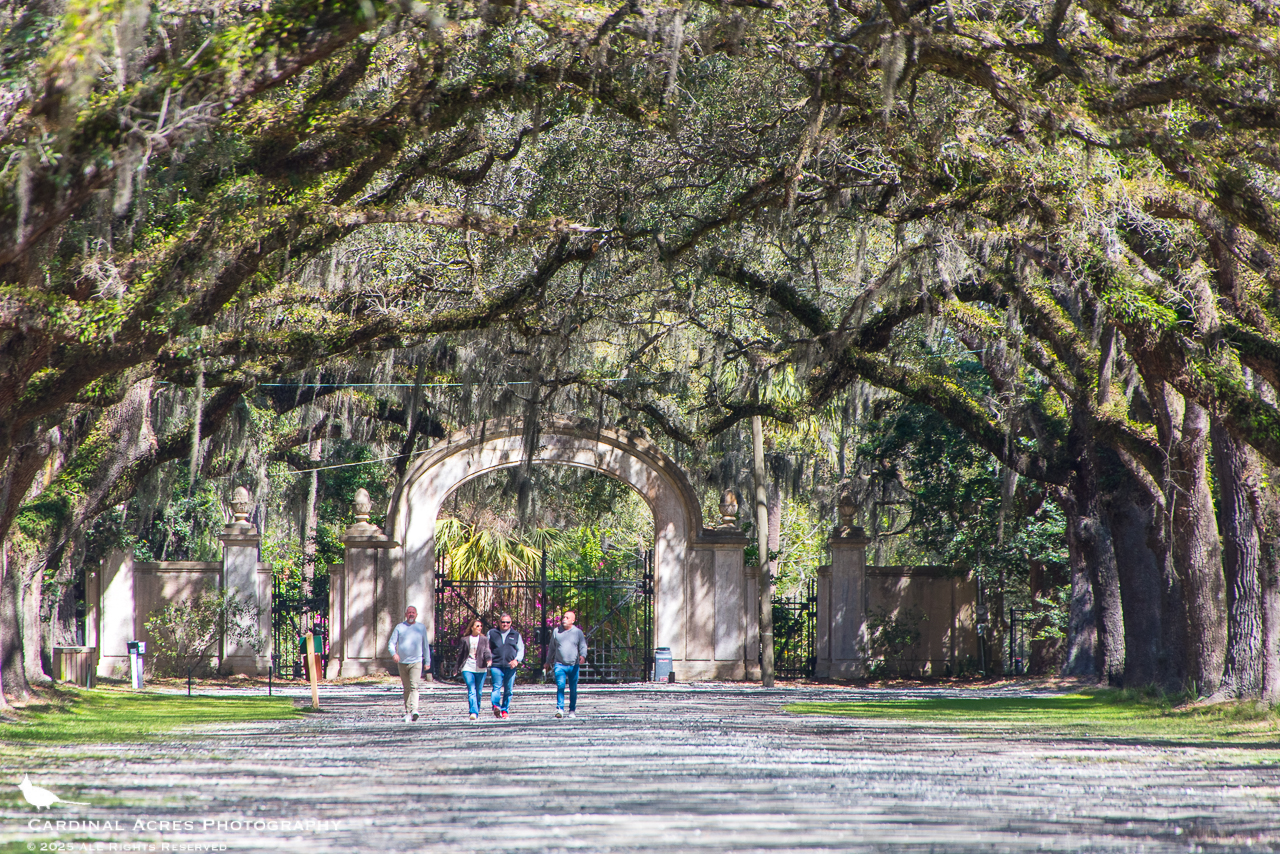
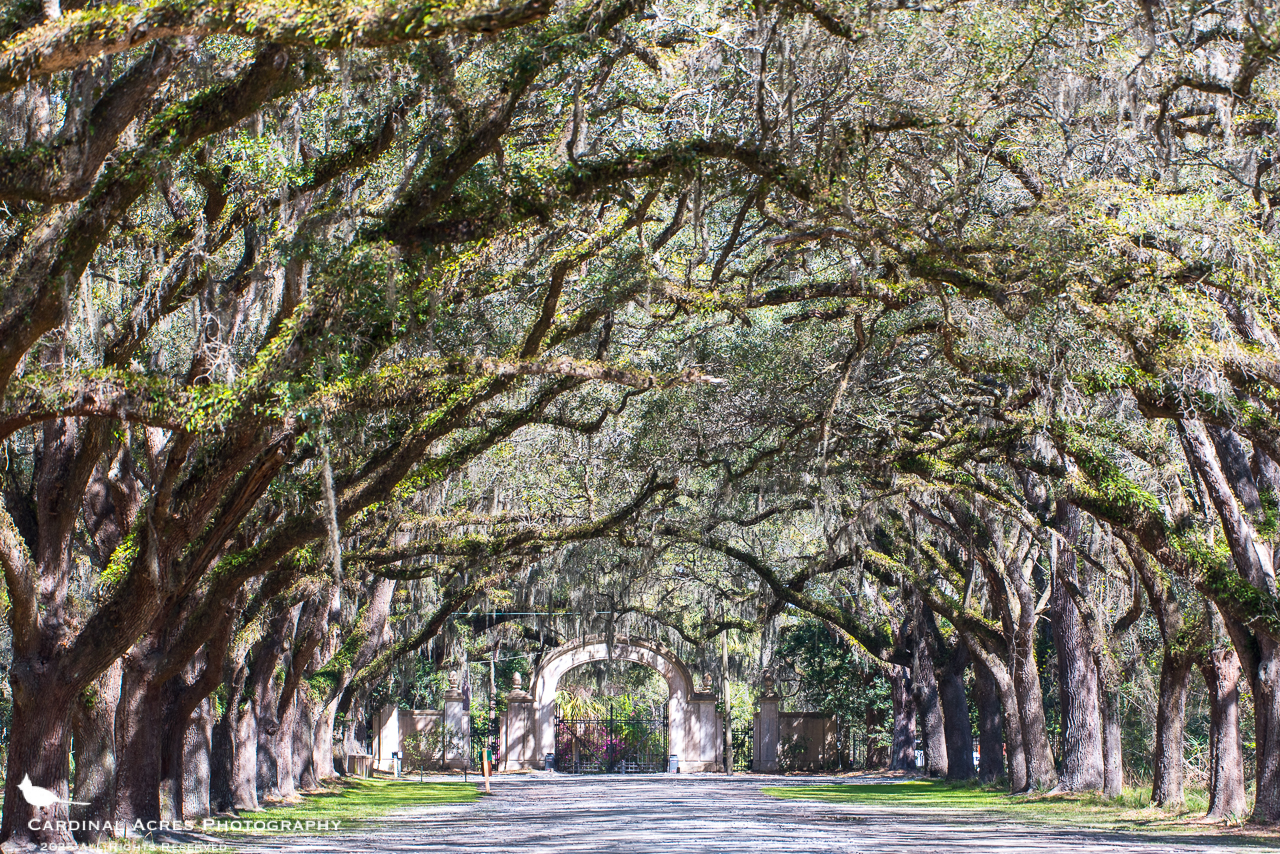
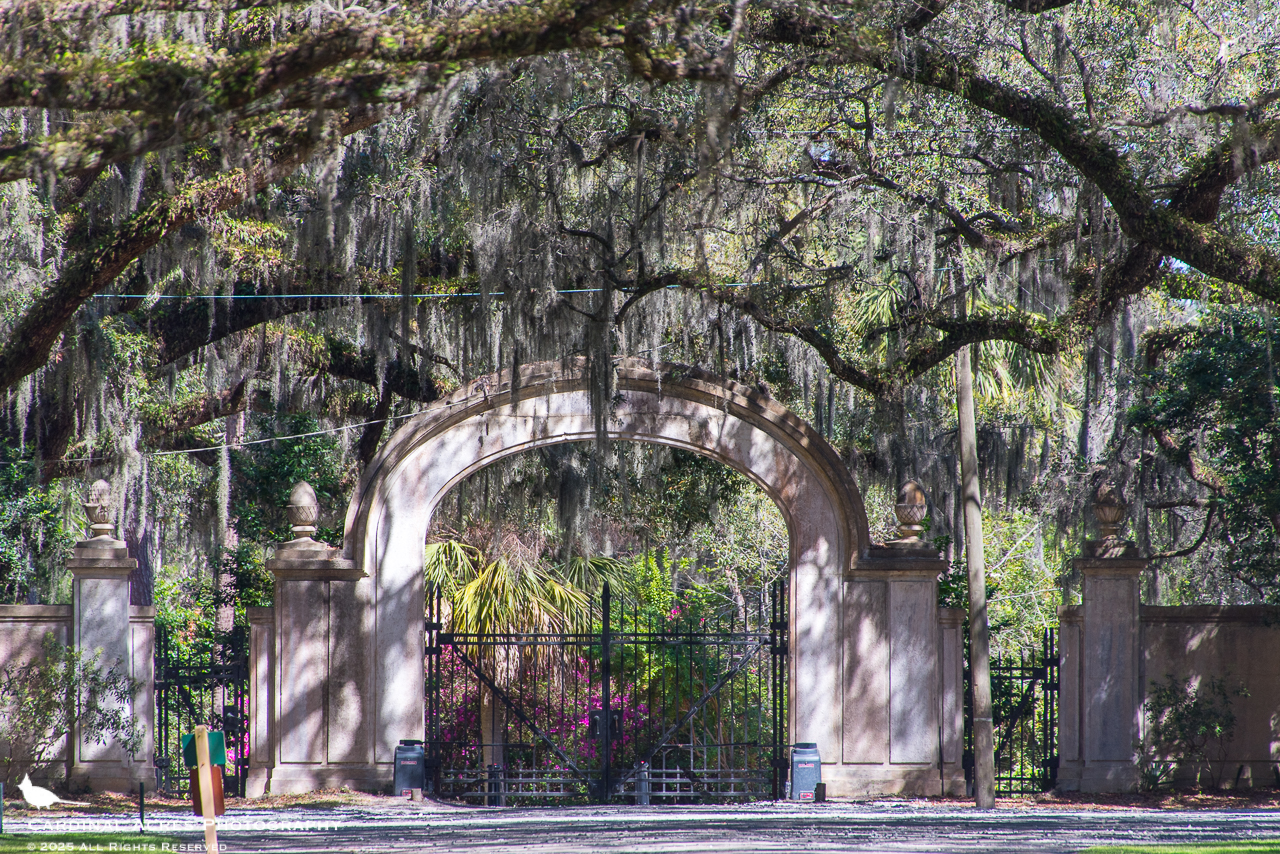
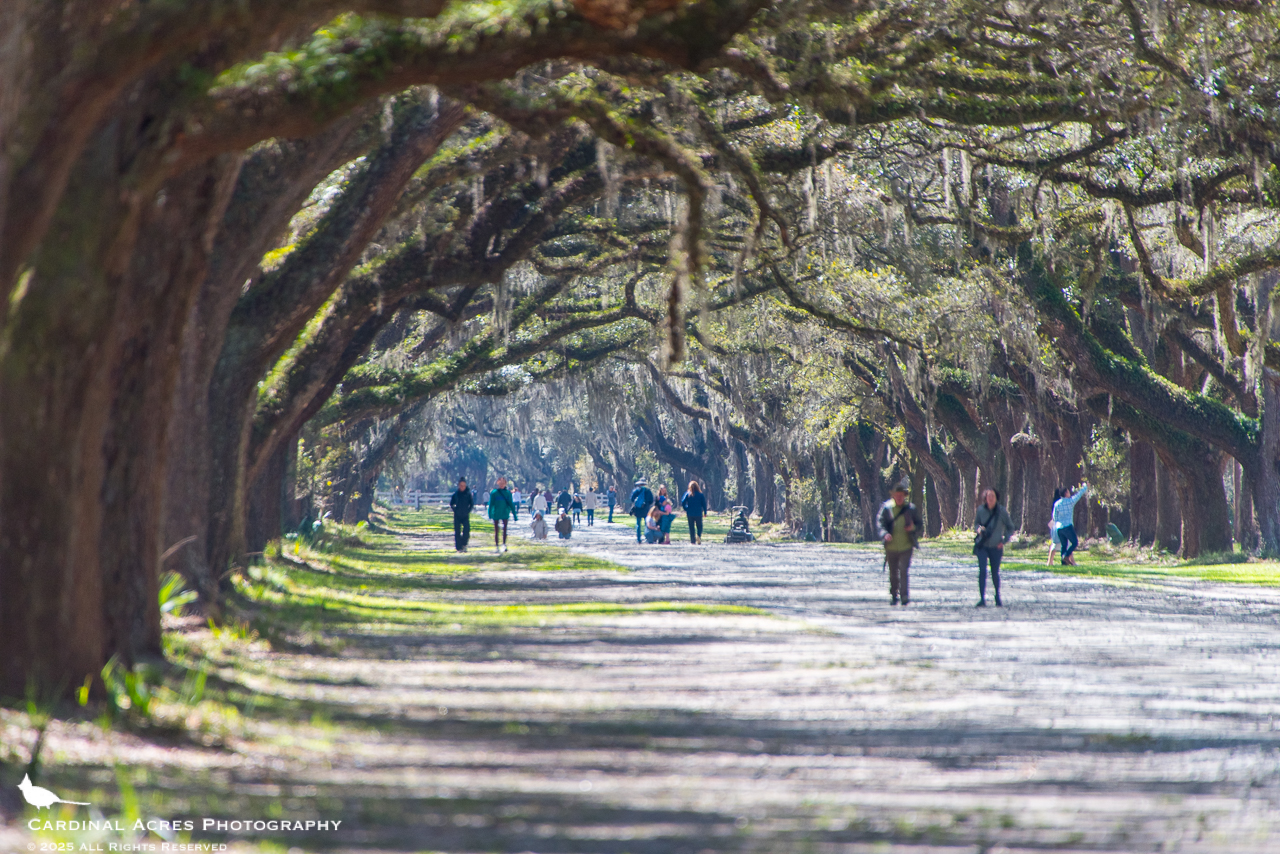
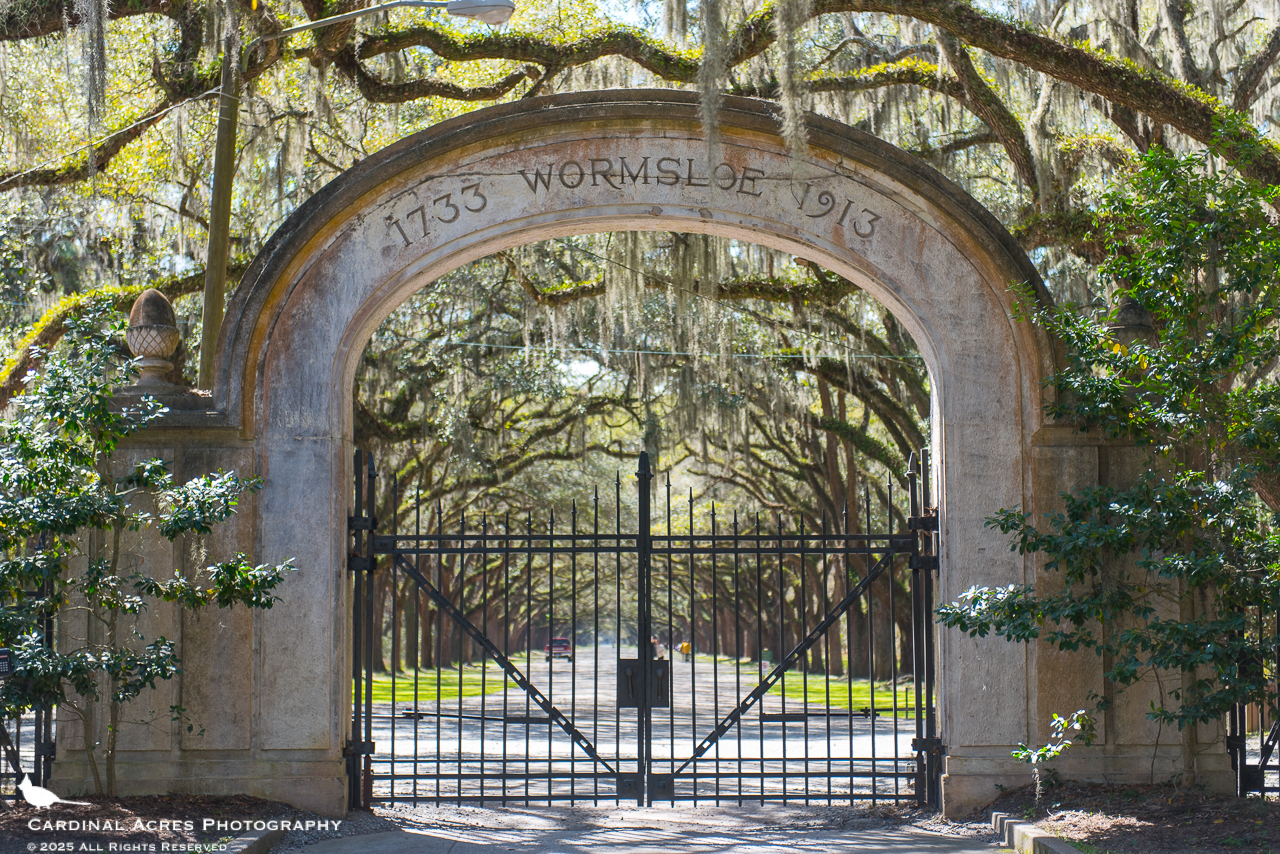
- Wormsloe Plantation — a circa 1736 homesite that is now not much more than ruins consisting mainly of “tabby” (a crude type of concrete made from oyster shells and lime) walls used to protect the homesite. A later home, more indicative of a “plantation” moniker, was built later and is remains private property of the original settlers descendants. A 1.5 mile long live oak avenue was added around the turn of the 19th century; it is supposedly the longest live oak avenue in the American south.
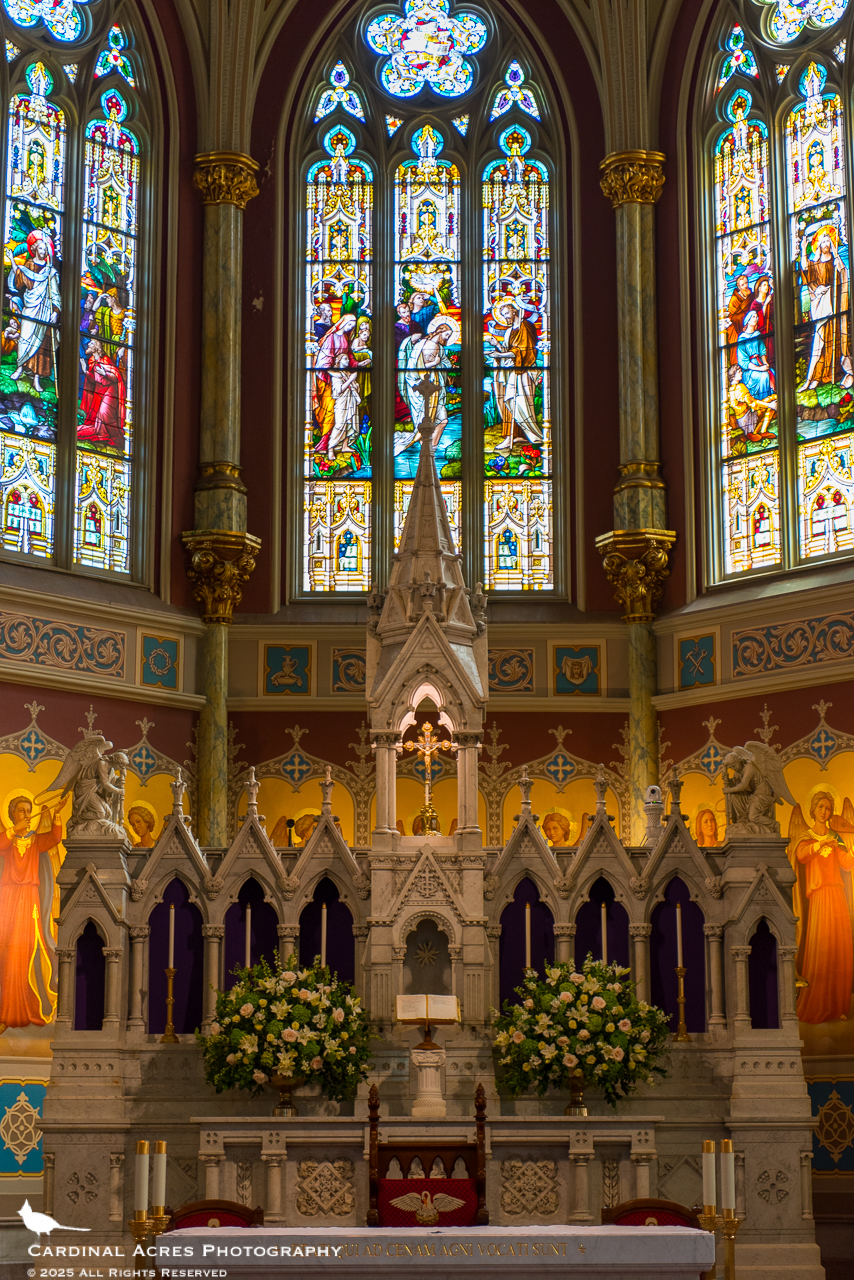
- Cathedral Basilica of St. John the Baptist — a minor basilica built in 1873-1876. A fire destroyed the interior of the cathdral in 1898 and it was subsequently rebuilt in 1899. Pope Francis declared the cathedral a minor basilica in 2020. Minor basilicas are decreed by the Pope and there are just over 1,800 of them in the world and 94 in the United States. I have also photographed the Cathedral Basilica of St. Louis.
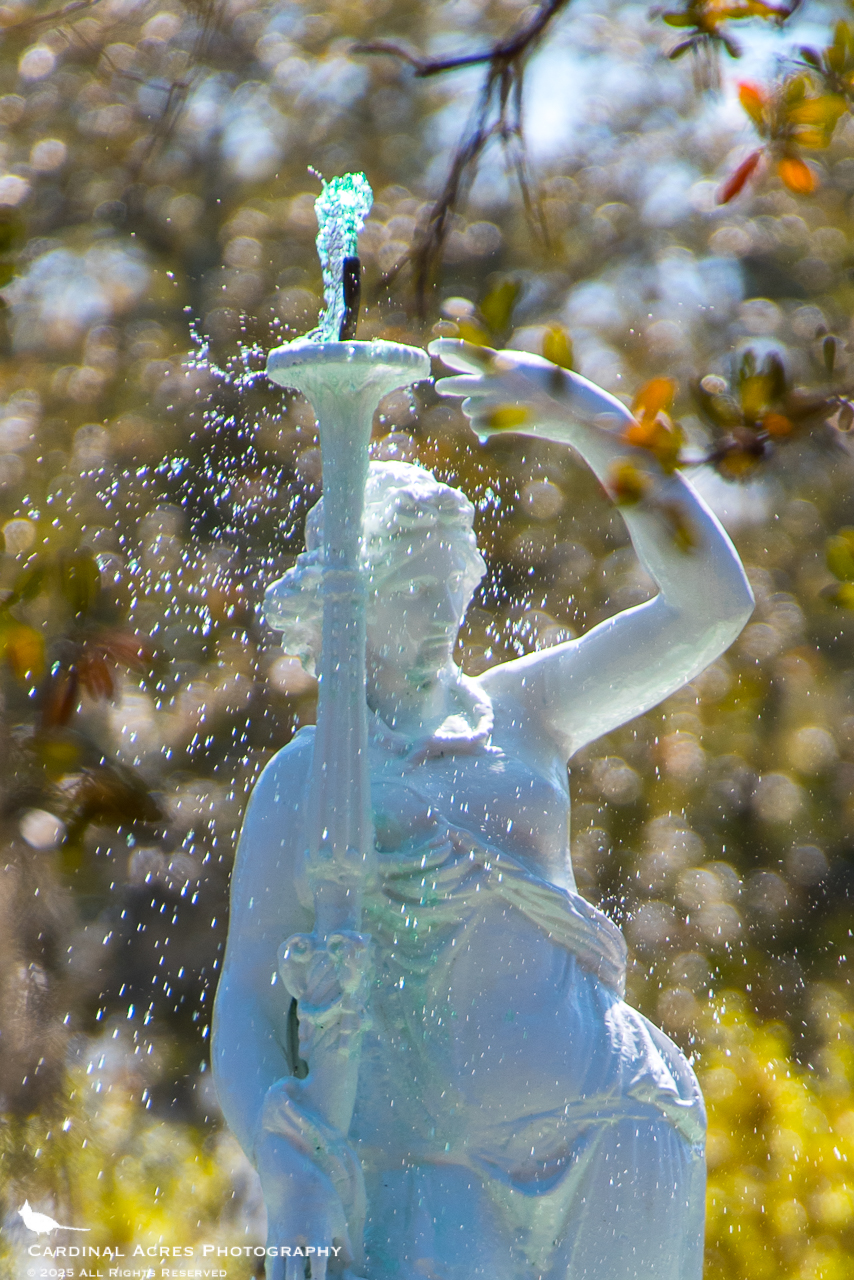
- Forsythe Park — originally created in the 1840s, Forsythe Park was expanded to its current size in the 1850s. The park is named for Georgia governor John Forsythe and is partly situated on land owned by him. A large fountain designed by John Howard was installed in the park in 1858 and is reminiscent of fountains at Place de la Concorde in Paris.